
 English
 Español
 Deutsch
Garment Design Goes Beyond the Outer Shape
Outdoor Rainwear covers several garment formats, from long raincoats to loose ponchos and hooded capes. Although these styles share the purpose of providing rain protection, their shapes influence how they fit over clothing, how users put them on, and how they move during outdoor activities.
For manufacturers, developing rainwear involves coordinating the body shape, hood, opening, and material as parts of one garment. A long coat and a cape-style poncho do not distribute material in the same way. Their construction needs to reflect the intended coverage and wearing method rather than simply applying one pattern to different product names.
Coverage Depends on the Relationship Between Length and Shape
The length and cut of Outdoor Rainwear influence which areas of the body and clothing receive coverage. A long raincoat extends protection farther down the body, while a cape-style garment uses a broader drape. The two formats create different wearing experiences and may suit different clothing combinations.
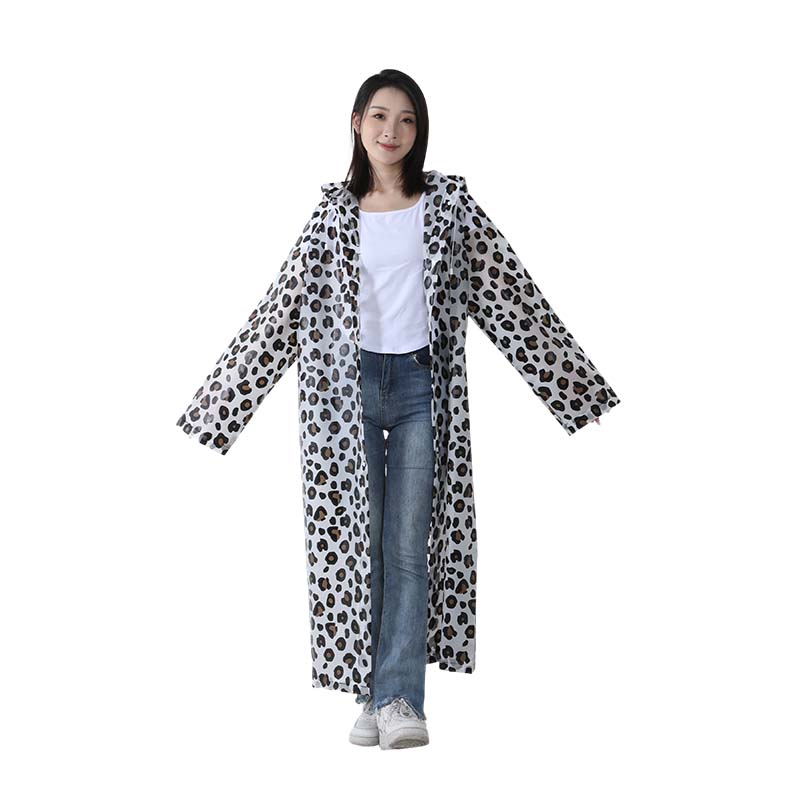
A loose silhouette can be worn over everyday clothes or additional layers. This is useful when the wearer needs to put on rain protection without changing the clothing underneath. The garment still needs to remain manageable during movement, particularly when the wearer is walking, carrying a bag, or moving through crowded outdoor spaces.
For product developers, the key design question is how the garment’s dimensions work together. Body width, length, sleeve or side coverage, and opening position all affect the finished shape. A change to one measurement can alter how the garment sits when worn.
Hood and Front Opening Shape the Wearing Experience
The hood and front opening are among the first features users interact with when putting on a raincoat. An integrated hood provides head coverage as part of the garment, while the front opening determines how the wearer enters and adjusts the coat.
A front-opening style and a pullover poncho require different construction approaches. The former needs an opening and closure arrangement along the front, while a pullover design relies on the shape of its neck and body openings. These details influence how quickly the garment can be put on and how it fits over other clothing.
For Outdoor Rainwear, the hood should also be considered in relation to the garment’s overall shape. Its size and attachment affect how it sits around the head and shoulders.
Material Selection Influences Weight and Handling
Yinhong’s adult rainwear category includes EVA, PEVA, and PE materials. These materials appear in different product formats, including disposable raincoats, lightweight rainwear, and thickened garments. Their suitability depends on the product’s intended construction and use.
Material selection affects how a raincoat folds, how much space it occupies when stored, and how it feels during wear. A lightweight garment may be easier to carry as an extra layer, while a thicker design represents a different product configuration. Buyers should compare the material and garment construction together instead of assuming that all products made from a particular material have the same characteristics.
The finished garment also depends on details such as seams, closures, and the way separate sections are joined. These elements contribute to the complete construction and should be considered alongside the material specification.
Product Categories Reflect Different Use Requirements
The adult rainwear range includes disposable raincoats, lightweight eco-friendly raincoats, thickened raincoats, and electric-scooter rain ponchos. These categories show how manufacturers organize products around different formats and intended uses.
For distributors, this variety can support assortment planning across retail, travel, and outdoor product channels. A compact raincoat intended for occasional use has a different product role from a thickened garment or a poncho designed around a particular riding position. Product descriptions should make these distinctions clear through the actual garment type, material, and confirmed specifications.
When comparing Outdoor Rainwear models, buyers can review garment length, overall dimensions, material, hood design, opening style, and packaging information. These details help determine how each item fits into a product range without relying on broad descriptions alone.
Manufacturing Coordinates Pattern, Material, and Assembly
Raincoat production begins with a garment design that defines the shape and dimensions of each section. Material preparation and cutting need to follow that pattern, while assembly brings the panels, hood, and closures together into the finished garment. The specific production method depends on the material and model construction.
For Yinhong, the adult rainwear range includes multiple garment types and material options. This variety requires product specifications to remain tied to individual models, particularly when buyers compare different lengths, thicknesses, or styles for one order.
Clear model information also supports packaging and distribution planning. Garment dimensions and folded size can affect how products are packed, stored, and presented for sale. These practical details connect design decisions with the requirements of wholesale supply.
Design Details Give Outdoor Rainwear Its Product Identity
The category continues to include several recognizable formats rather than one standard raincoat shape. Long coats, loose ponchos, capes, and thicker styles each organize coverage differently. Their differences come from the relationship between garment dimensions, material, hood, and opening.
For manufacturers and distributors, Outdoor Rainwear is therefore a product category that benefits from clear model-level descriptions. Matching the garment format to its intended use—and keeping material and construction details specific to each model—helps buyers develop a more coherent range for their target market.
