
 English
 Español
 Deutsch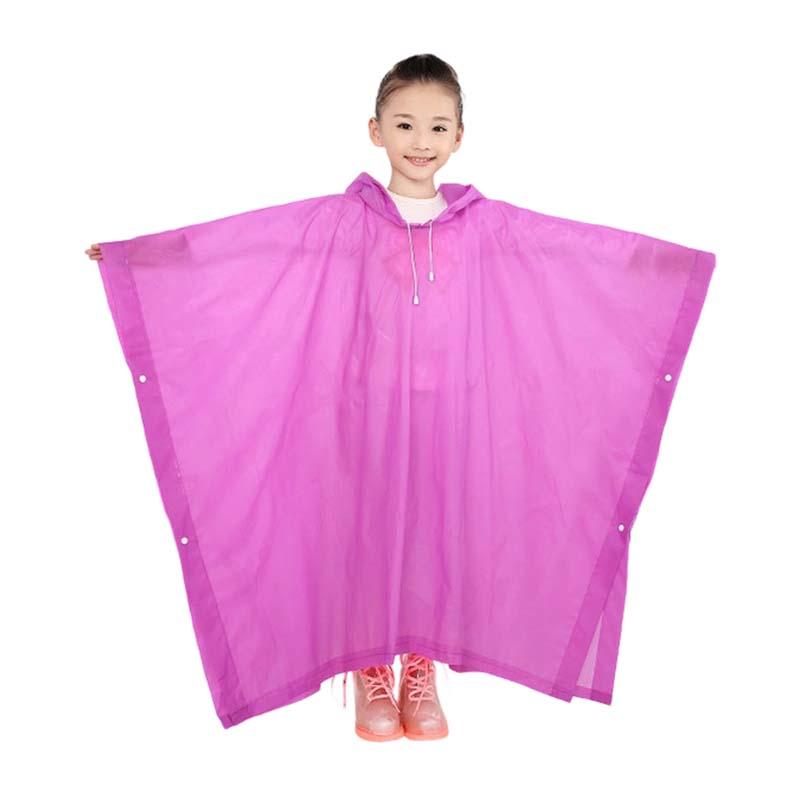
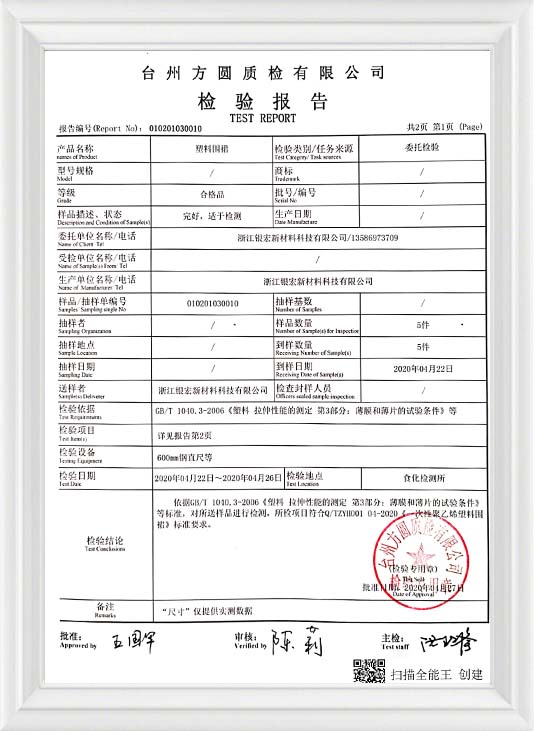
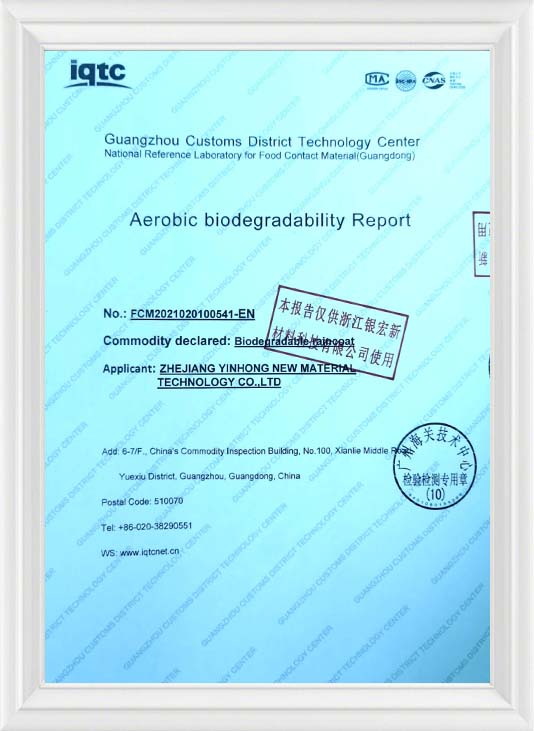
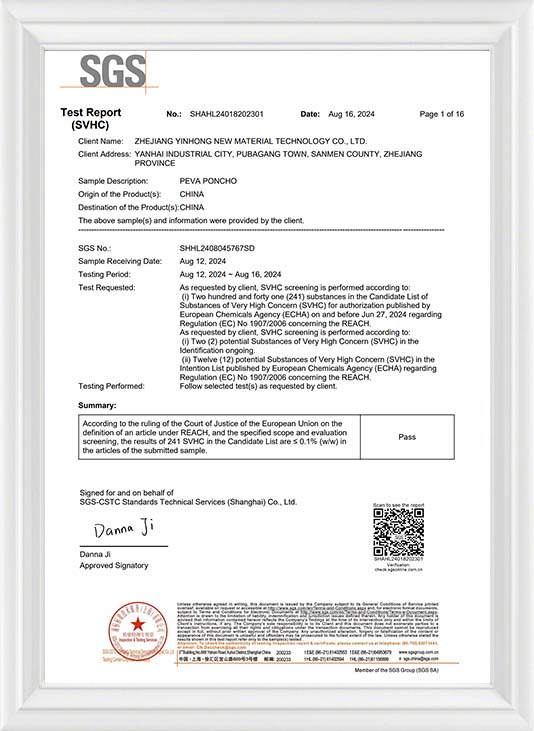
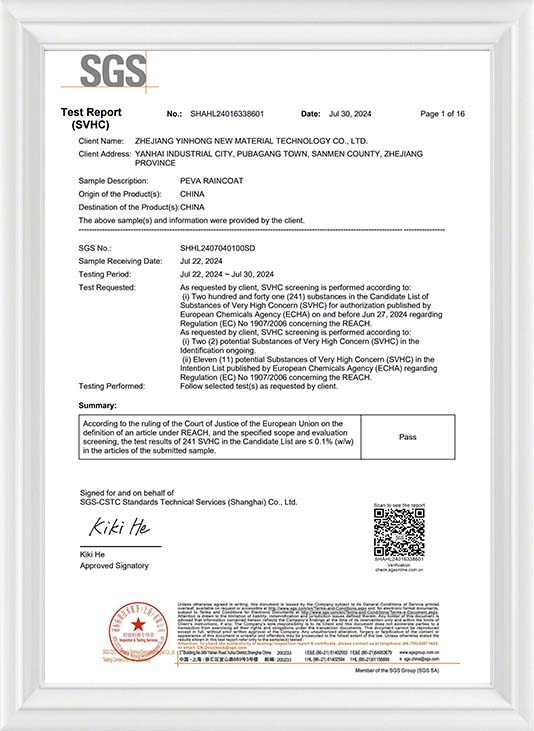
An Adult Hiking Rain Poncho needs to provide rain coverage without restricting the movement that comes with walking, climbing, carrying equipment, or adjusting a backpack. Its loos...
READ MORE Product Category
Kids Raincoat
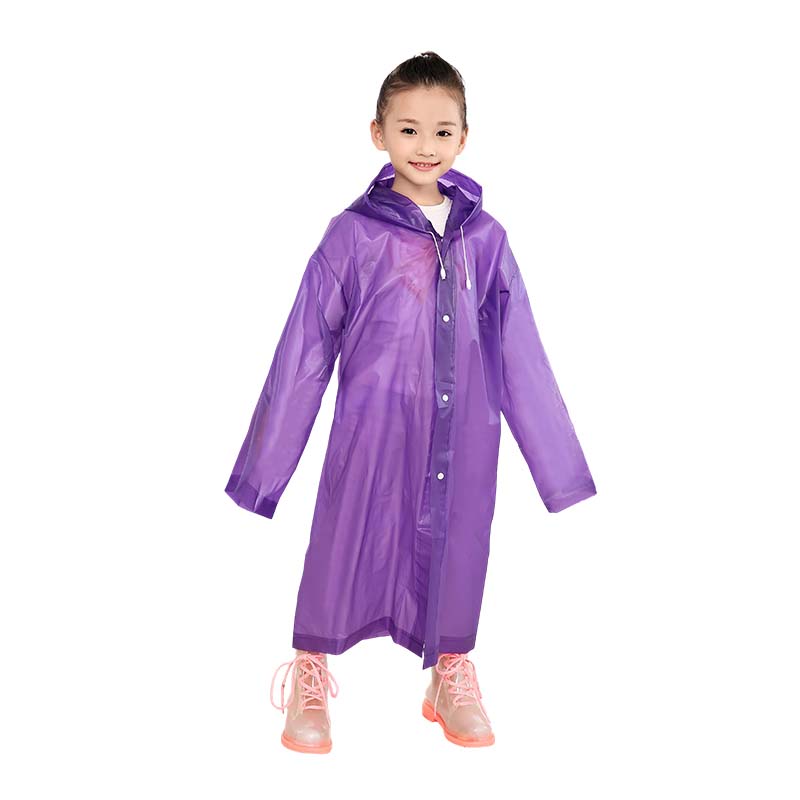
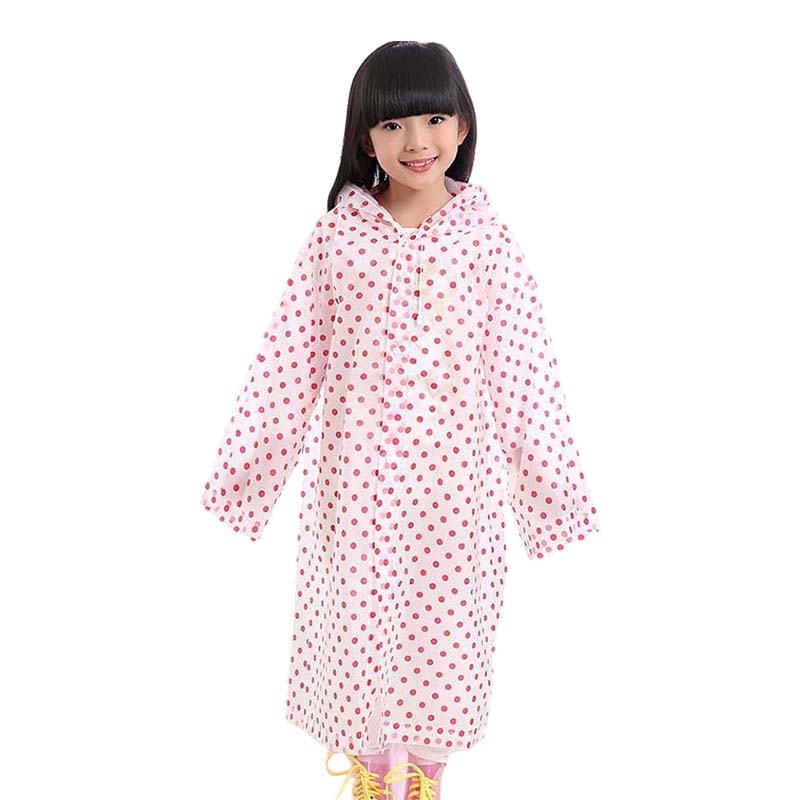
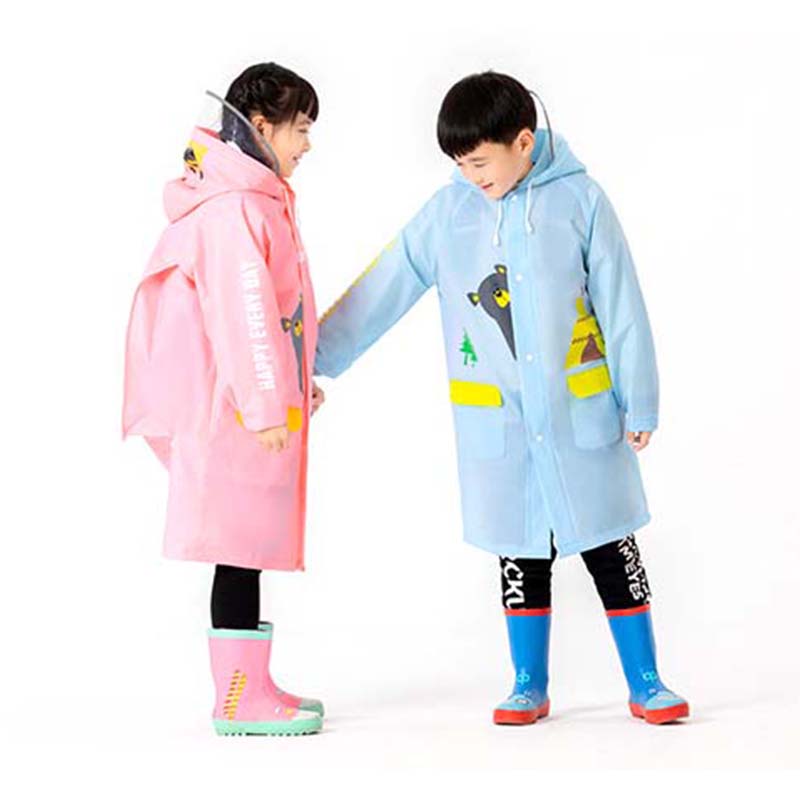
Kids raincoats are specially designed for children, using high-quality waterproof materials such as EVA, PEVA, or PU to ensure children stay dry on rainy days. They come in a variety of cute styles, including cartoon patterns and colorful stripes, making them popular with children. Kids' raincoats are typically lightweight and breathable, providing both wind and water protection to effectively block rain. Many styles feature a hood to protect children's heads from the rain. Made from soft materials, the raincoats are comfortable to wear and allow for unrestricted movement, making them suitable for daily commutes, school commutes, and outdoor play. Choosing a children's raincoat ensures your child stays dry while allowing them to play freely even on rainy days.
About Us
Zhejiang Yinhong New Material Technology Co., Ltd.
Zhejiang Yinhong New Material Technology Co., Ltd. is a custom raincoat manufacturer specializing in disposable raincoats and EVA rain ponchos. As a reliable manufacturer, we focus on providing practical solutions for outdoor activities, travel, and emergency use, supporting OEM and ODM production for global customers.
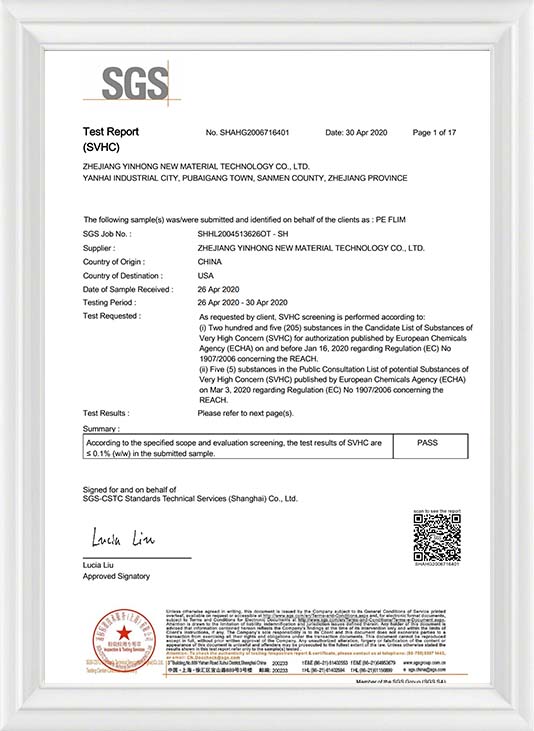
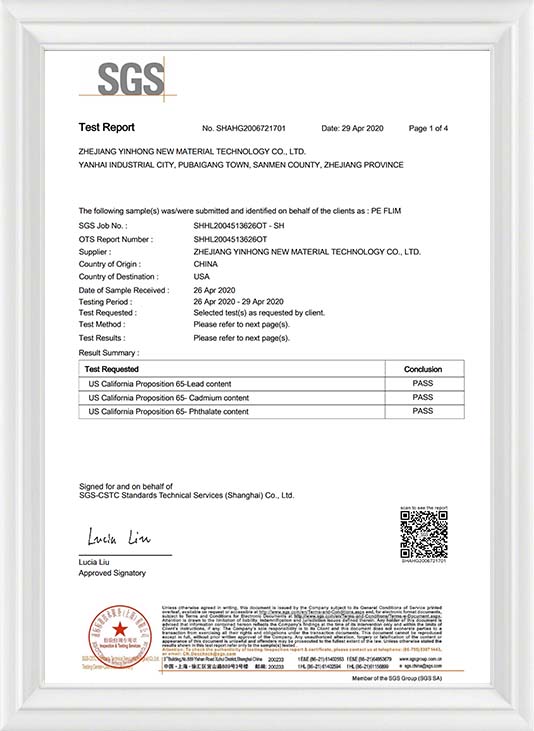
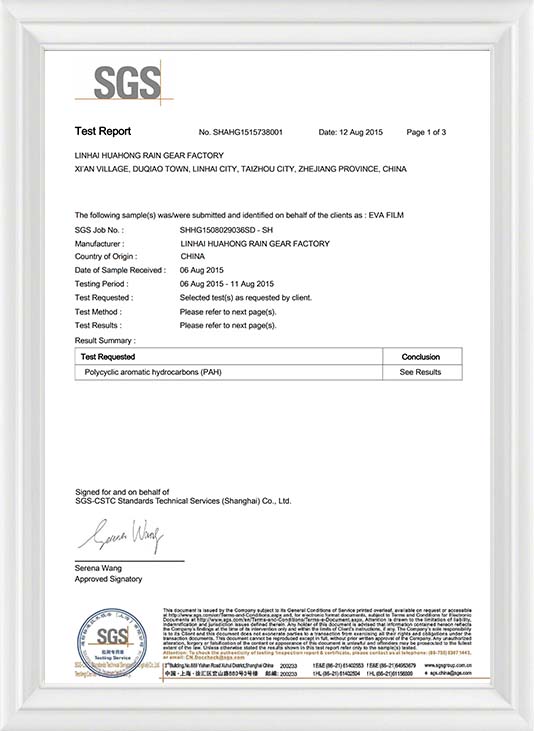
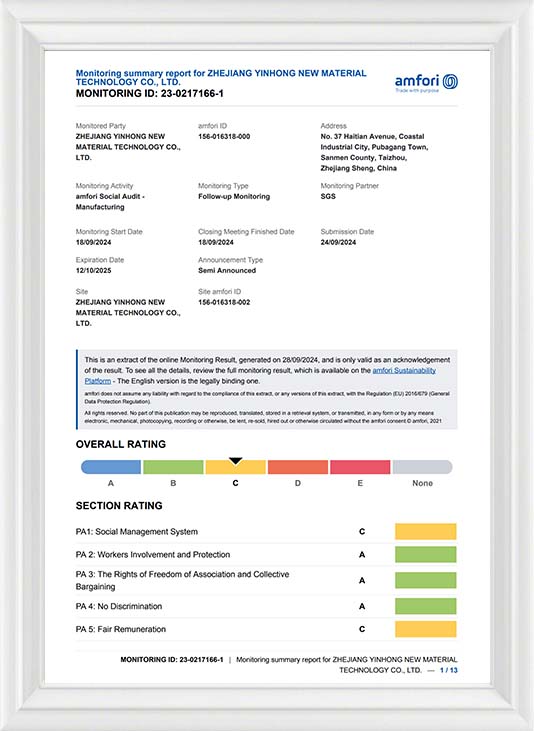
Certificate Of Honor
News
-
-
A Thin Film Raincoat is designed around a simple balance: practical rain coverage with very little material, weight, and storage volume. Unlike structured rain jackets intended for...
READ MORE -
A Printed Rain Coat looks like a straightforward combination: take a waterproof shell, add a cute pattern, done. What actually happens at the factory is closer to layering two proc...
READ MORE -
Electric scooters have become a practical option for short urban journeys, connecting residential areas with workplaces, schools, transit stations, and local shopping districts. Th...
READ MORE
Message Feedback
Industry knowledge
A Children Raincoat is rainwear specifically designed for children, crafted from lightweight, waterproof materials that make it easy to put on and take off. Typically featuring a hooded design, it is suitable for school commutes and outdoor activities, providing basic protection during rainy weather while prioritizing both comfort and safety.
Product Positioning of Children's Raincoats
Children's raincoats primarily address the need for rain protection during children's daily commutes and outdoor activities. Given the unique characteristics of the user demographic, the design focus typically shifts away from complex functionality and instead prioritizes safety, ease of use, and comfort.
Common application scenarios include:
- School commutes
- Campus activities
- Family outings
- Short-distance outdoor excursions
The consistent nature of these scenarios establishes children's raincoats as a product with seasonal demand but high usage frequency.
Core Design Elements of Children's Raincoats
Compared to adult rainwear, children's raincoats exhibit distinct differences in design logic, primarily manifested in the following aspects:
1. Safety First
Children's products typically minimize complex structural elements—avoiding excessively long drawstrings or fasteners prone to snagging—to mitigate potential usage risks.
2. Easy-to-Wear Structure
- Adopts a loose-fitting silhouette
- Utilizes simple opening and closing mechanisms
- Accommodates the varying body shapes of different age groups
3. Comfortable Experience
Given children's high level of physical activity, raincoats are typically optimized for lighter weight and greater material softness.
Trends in Material Selection
The choice of materials for children's raincoats directly impacts user experience and durability. Currently, common materials found in the industry include:
| Material Type | Characteristics |
| EVA Material | Good softness; suitable for daily use |
| PE Film | Low cost; suitable for basic-tier products |
| Coated Fabric | Enhances durability and wind resistance |
| Composite Materials | Balances comfort with protective performance |
Material selection typically requires striking a balance between safety, comfort, and cost.
Functional Segmentation Trends in Children's Raincoats
As market demands evolve, children's raincoats are gradually exhibiting trends toward functional segmentation:
- Trend 1: Transparent Window Design
Some products incorporate transparent materials into the hood brim or front section to enhance visibility and safety.
- Trend 2: Cartoon-Themed Aesthetics
Utilizes colors and patterns to increase appeal among children, making the garment more attractive to wear.
- Trend 3: Lightweight Construction
Reduces overall weight to minimize the physical burden on the child and enhance freedom of movement.
Usage Scenario Analysis
The usage scenarios for children's raincoats tend to be concentrated, yet the degree of segmentation is on the rise:
- 1. School Commuting
The more fundamental and common usage scenario, placing a high priority on ease of putting on and taking off.
- 2. Family Outings
Short-distance activities such as trips to the park or travel, where comfort is a primary requirement.
- 3. Group Outdoor Activities
Events such as field trips or school-organized activities, which demand a certain level of durability.
Product Type Comparative Analysis
| Comparison Dimension | Basic Children's Raincoat | Functionally Enhanced Children's Raincoat |
| Material | PE Film | EVA or Composite Materials |
| Comfort | Average | Good |
| Durability | Low | Moderate-to-High |
| Design Style | Simple | Diverse |
| Applicable Scenarios | Short-term Use | Combination of Daily & Outdoor Use |
Consumer-Side Trends
Changes in the children's raincoat market are primarily driven by evolving family consumption philosophies:
- 1. Balancing Practicality with Aesthetics
When selecting products, parents focus not only on rain-protection functionality but also on how well the product is accepted by their child.
- 2. Increased Usage Frequency
As outdoor activities become more frequent, children's raincoats are no longer limited to use solely on rainy days.
- 3. Growing Demand for Lightweight Portability
Ease of carrying and storage has become a key factor in the decision-making process.
Industry Development Directions
The future development of children's raincoats is likely to focus on the following key areas:
- Enhanced Safety: Designing to minimize potential usage risks.
- Material Optimization: Improving softness and eco-friendly attributes.
- Functional Expansion: Integrating additional basic functions, such as wind protection and sun protection.
- Design Diversification: Catering to the aesthetic preferences of different age groups.

A manufacturer specializing in professional protection and durable functional raincoats.
Call our office
Phone: +86-13586101911
Phone: +86-13586101911
Our address
Coastal Industrial City, Puba Port Town, Sanmen County, Taizhou, Zhejiang Province
Coastal Industrial City, Puba Port Town, Sanmen County, Taizhou, Zhejiang Province
Copyright © 2025 Zhejiang Yinhong New Material Technology Co., Ltd.
Custom Childs Rain Coat
