
 English
 Español
 Deutsch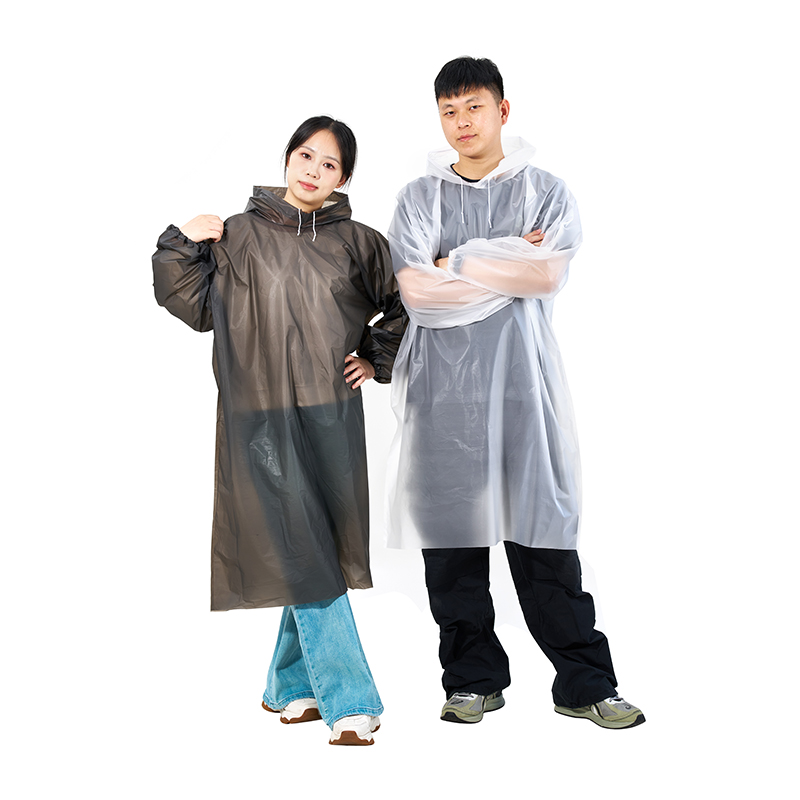
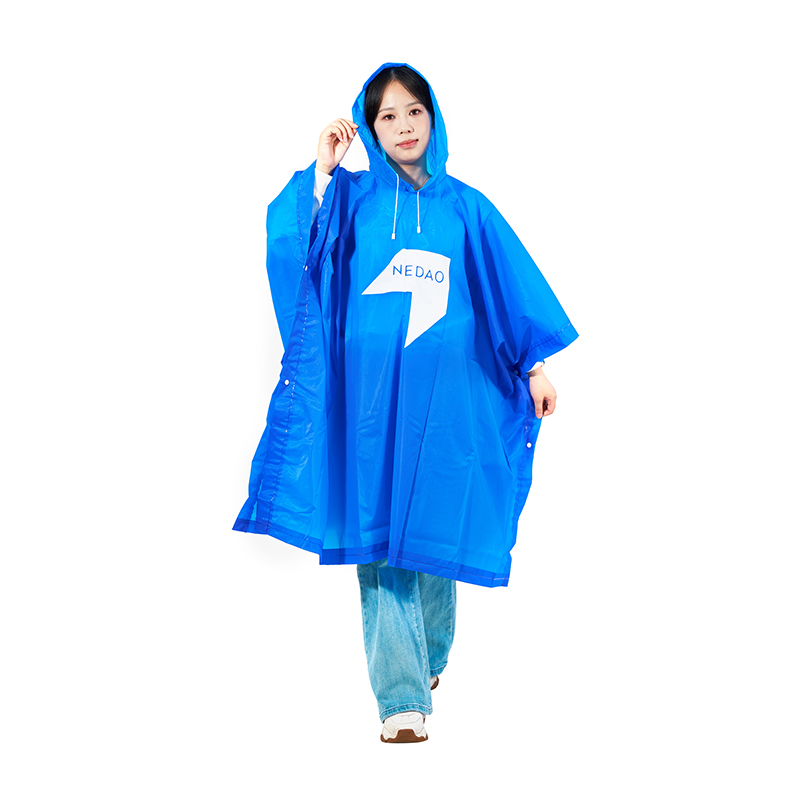
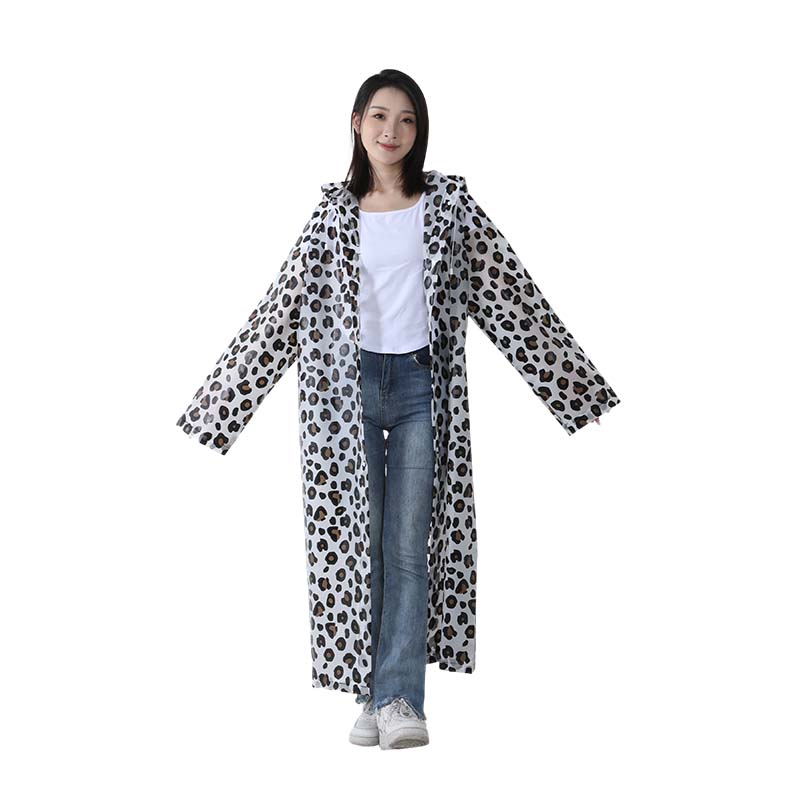
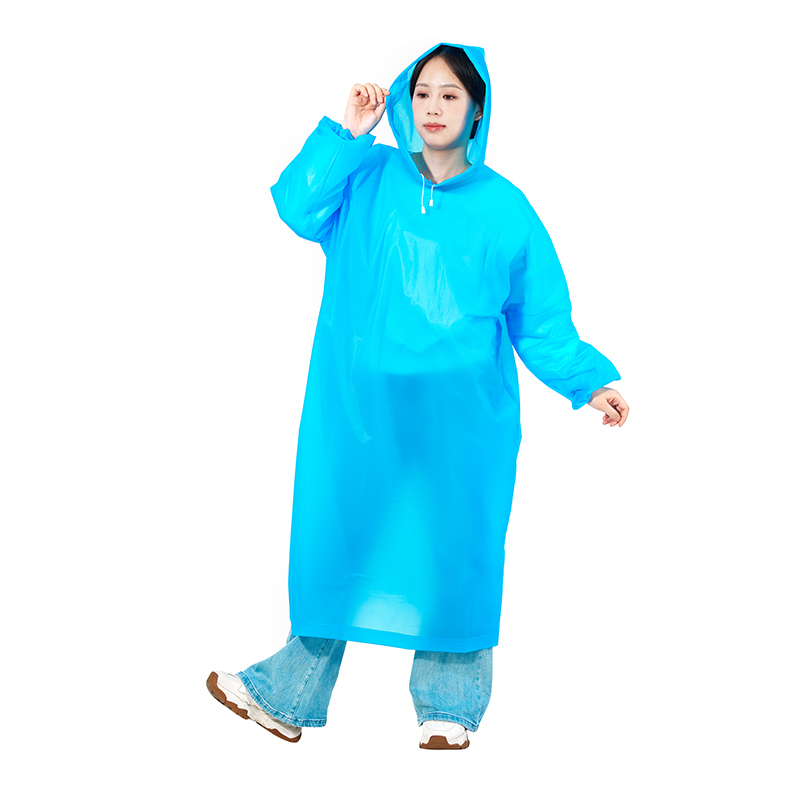
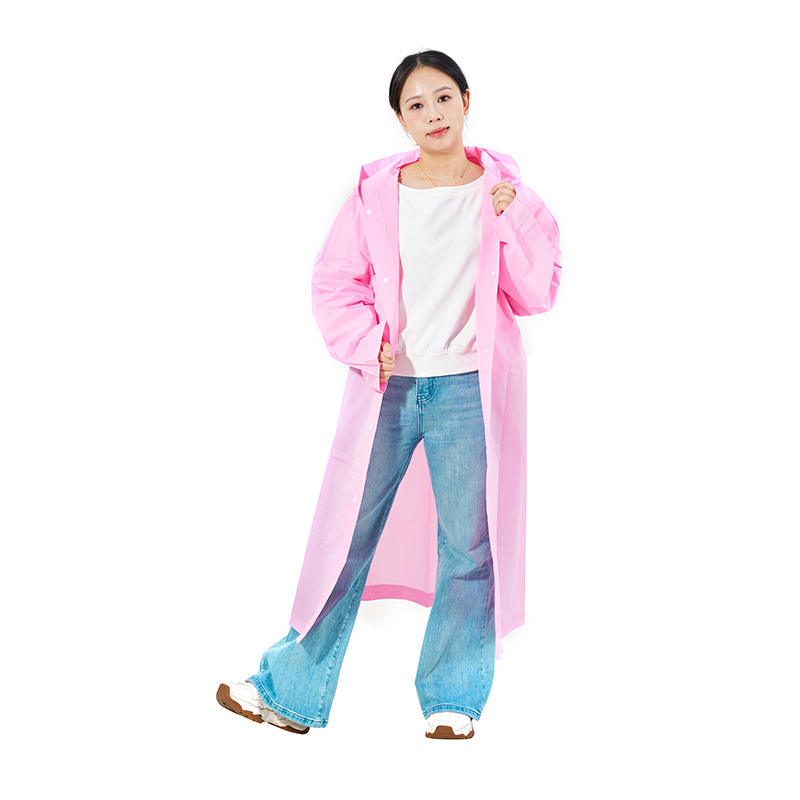
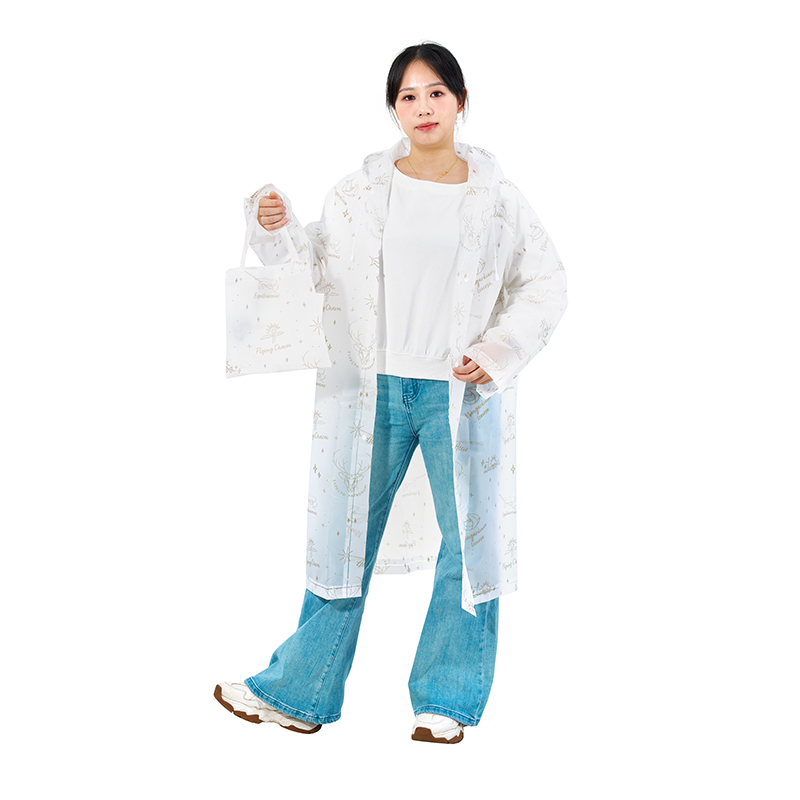
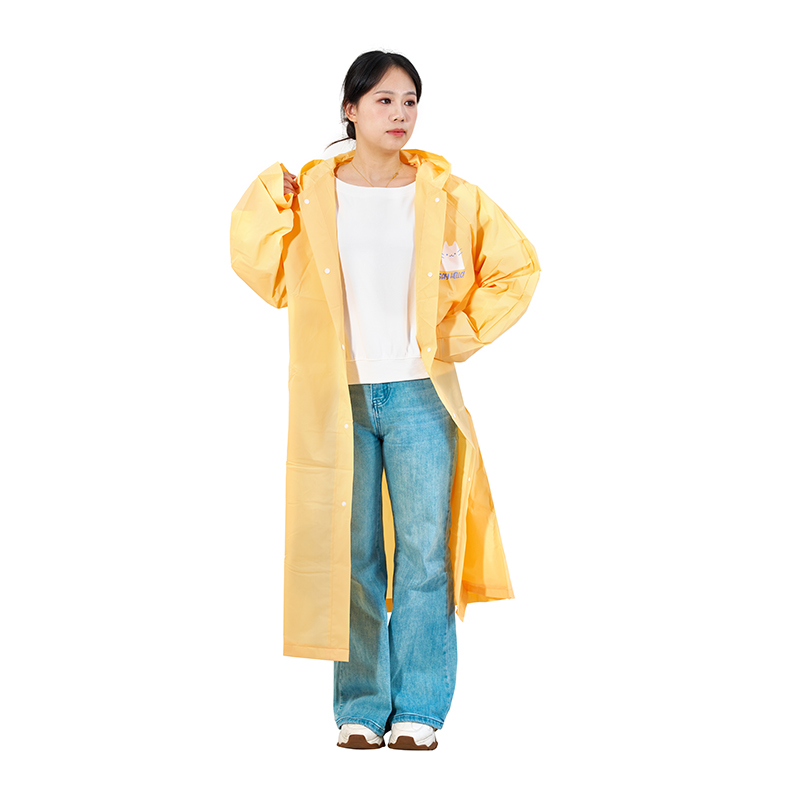
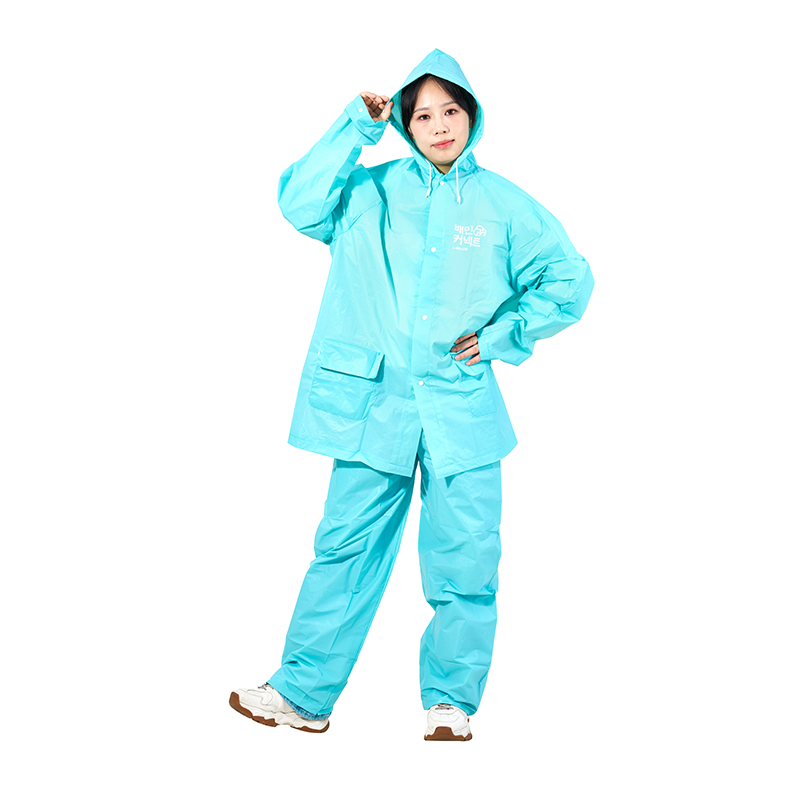
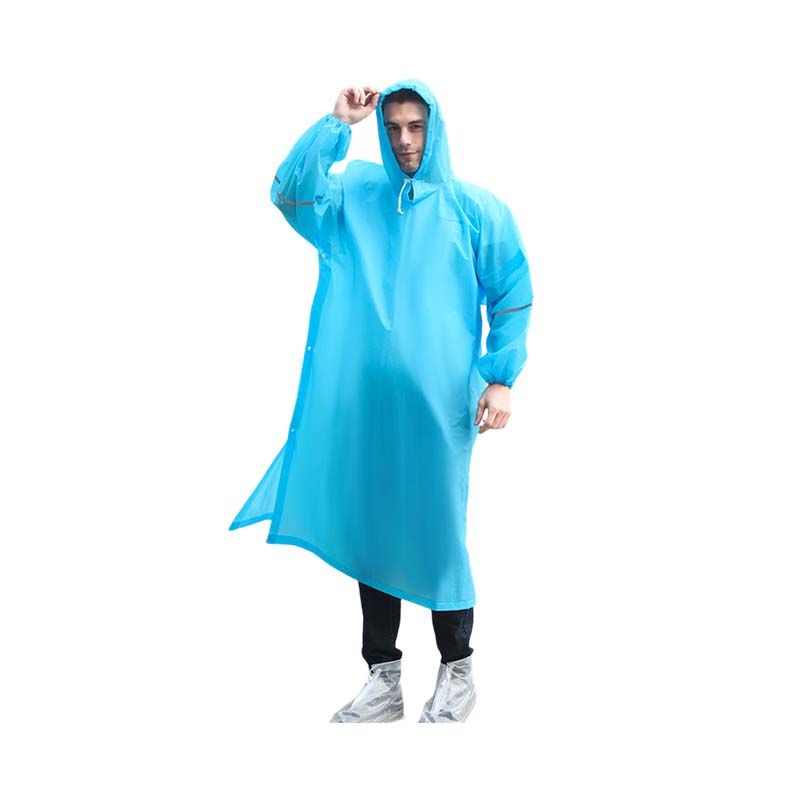
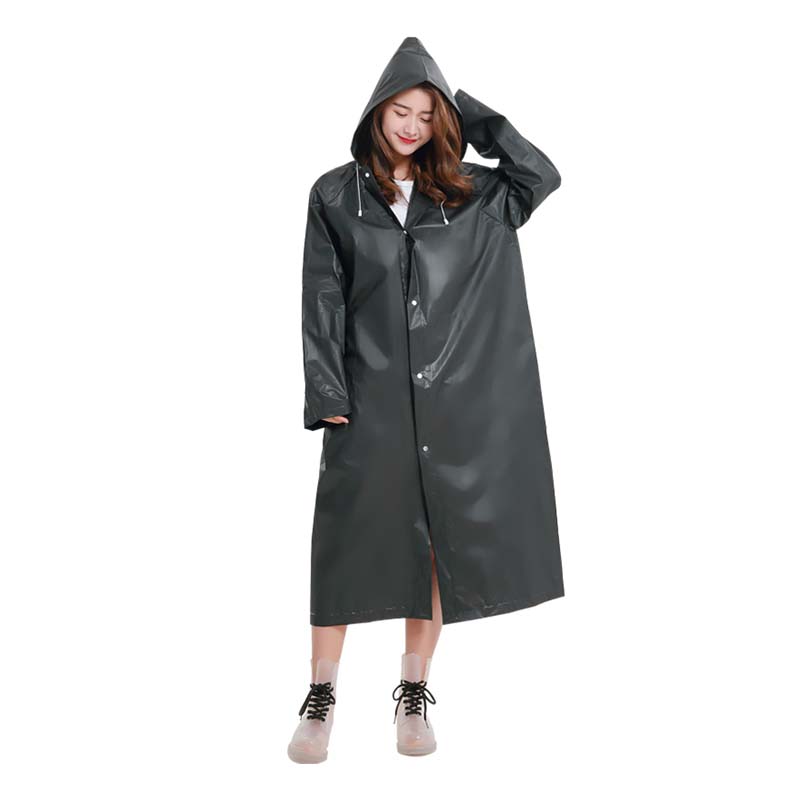
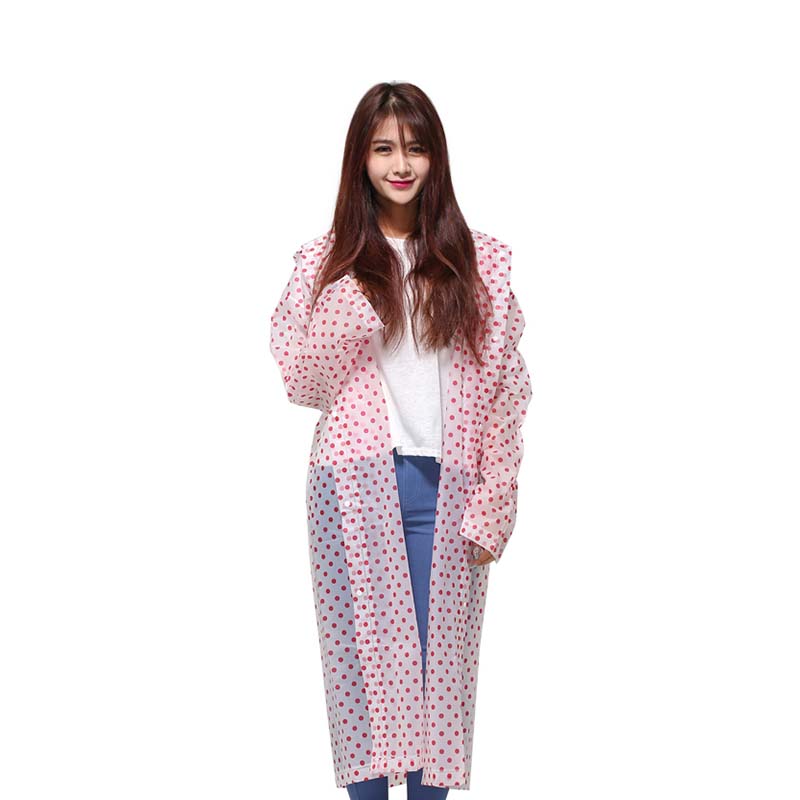
Garment Design Goes Beyond the Outer Shape Outdoor Rainwear covers several garment formats, from long raincoats to loose ponchos and hooded capes. Although these styles share the p...
READ MORE Product Category
Lightweight Eco-Friendly Raincoats
Lightweight Eco-Friendly Raincoats are made from recyclable EVA or PEVA materials, making them thin, breathable, and weighing only about 100 grams. These raincoats are waterproof and windproof while also prioritizing environmental protection. They feature a stylish hooded design, come in a variety of colors, and offer a loose and comfortable fit. Suitable for outdoor activities such as cycling, hiking, traveling, and commuting, they are portable, foldable, and easy to store. Eco-Friendly Raincoats are durable and reusable, reducing single-use plastic waste. Combining fashion and sustainability, they make rainy day travel greener! Choose Lightweight Eco-Friendly Raincoats to protect yourself and the planet.
About Us
Zhejiang Yinhong New Material Technology Co., Ltd.
Zhejiang Yinhong New Material Technology Co., Ltd. is a custom raincoat manufacturer specializing in disposable raincoats and EVA rain ponchos. As a reliable manufacturer, we focus on providing practical solutions for outdoor activities, travel, and emergency use, supporting OEM and ODM production for global customers.
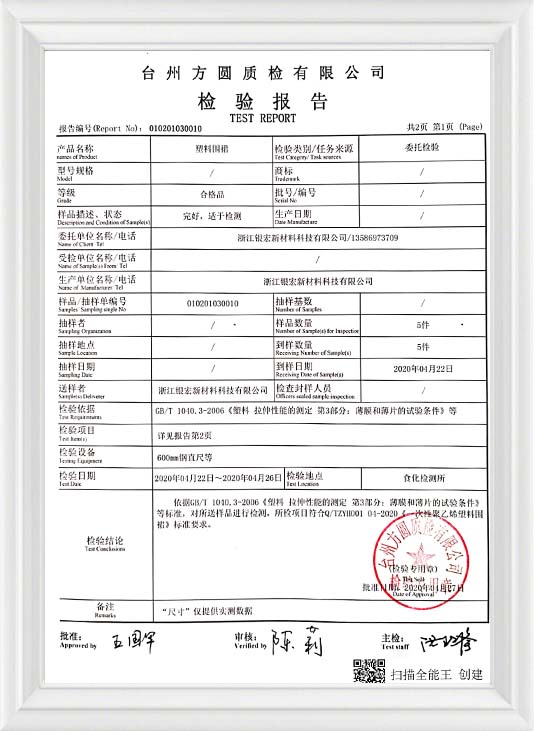
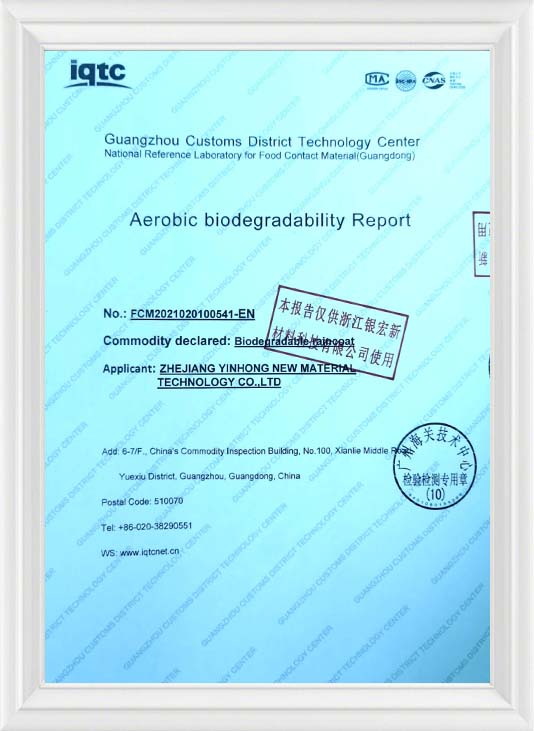
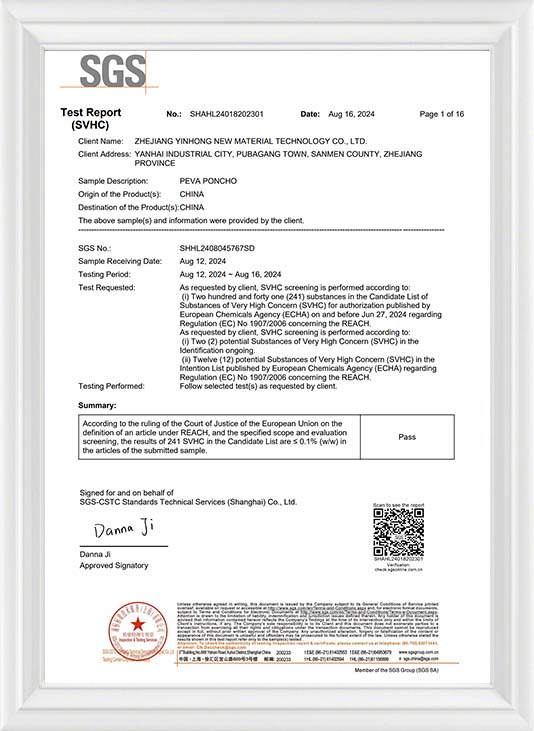
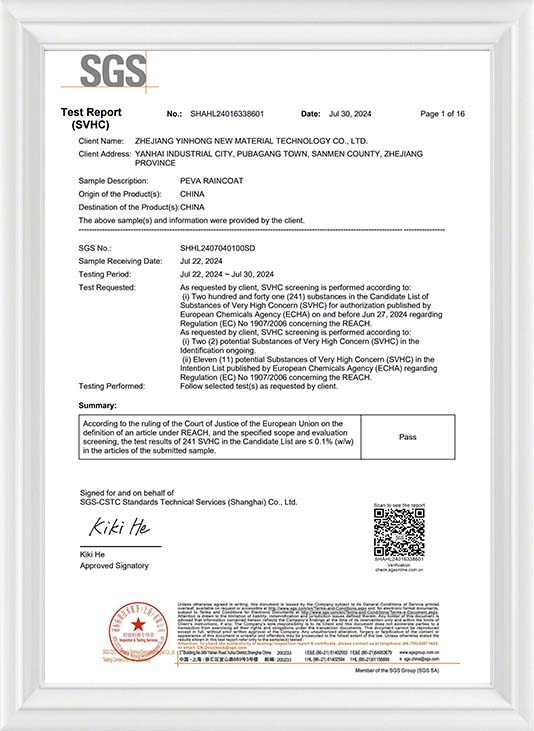
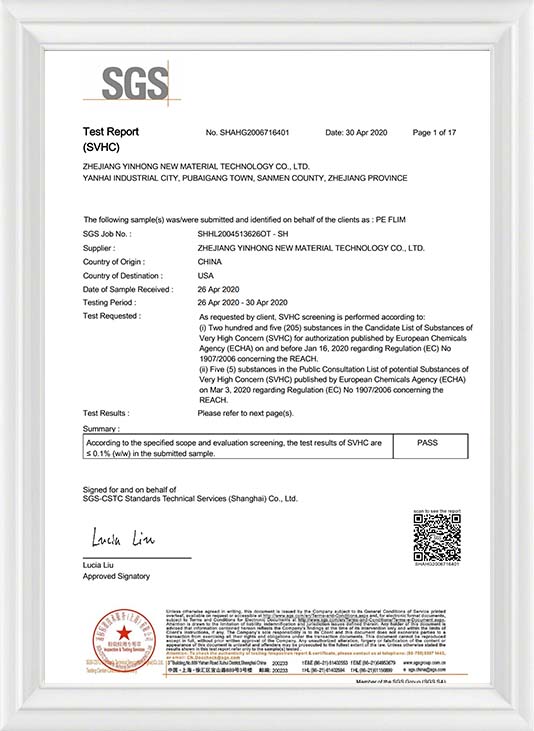
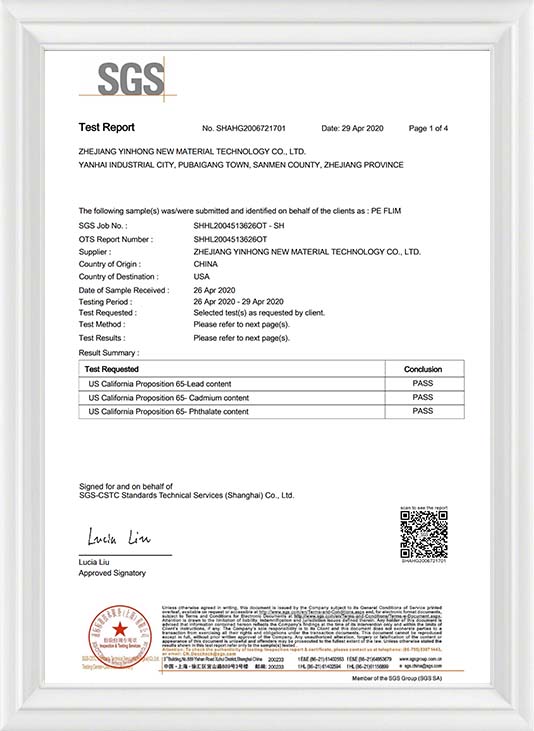
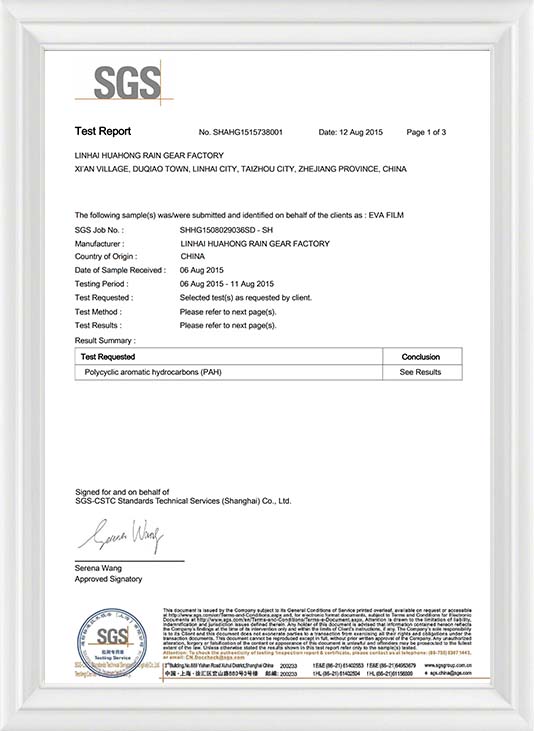
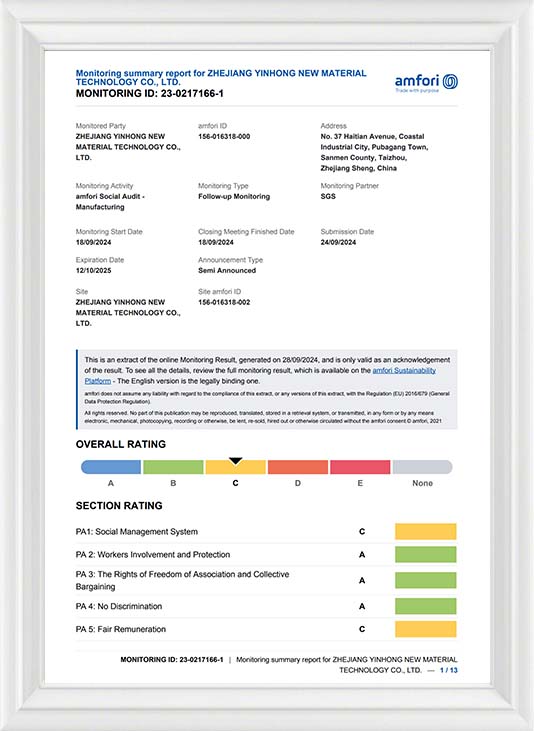
Certificate Of Honor
News
-
-
An Adult Hiking Rain Poncho needs to provide rain coverage without restricting the movement that comes with walking, climbing, carrying equipment, or adjusting a backpack. Its loos...
READ MORE -
A Thin Film Raincoat is designed around a simple balance: practical rain coverage with very little material, weight, and storage volume. Unlike structured rain jackets intended for...
READ MORE -
A Printed Rain Coat looks like a straightforward combination: take a waterproof shell, add a cute pattern, done. What actually happens at the factory is closer to layering two proc...
READ MORE
Message Feedback
Industry knowledge
Lightweight Eco-Friendly Raincoats represent a category of rainwear designed with a core focus on lightness and environmental sustainability; they are typically crafted from recyclable materials or materials with a low environmental impact. Characterized by their light weight and ease of storage, these raincoats are well-suited for daily commuting, travel, and light outdoor activities. While fulfilling the fundamental function of rain protection, Lightweight Eco-Friendly Raincoats also prioritize user experience and environmental responsibility, gradually emerging as a key trend in the evolution of rainwear products.
The Transition from "Rain Protection Tool" to "Sustainable Essential"
In the past, rainwear design centered primarily on the question of "is it waterproof?" Today, however, consumers are increasingly focusing on a product's long-term utility and environmental footprint. Lightweight Eco-Friendly Raincoats have emerged against this backdrop; their core value extends beyond mere protective functionality to encompass the following considerations:
- Whether the materials are recyclable
- Whether the product is suitable for repeated use
- Whether post-use disposal or processing is simple and convenient
This shift marks a transition for rainwear—moving from being a short-term consumable item toward becoming a "low-frequency, durable good."
The Practical Significance of Lightweight Design
"Lightweight design" implies more than just a reduction in physical weight; it involves the holistic optimization of the user experience.
- 1. Enhanced Travel Convenience
Lightweight raincoats can typically be compressed for storage, making them easy to pack in a backpack or carry by hand—a feature that proves highly practical during commutes or travels.
- 2. Reduced Physical Burden
Compared to traditional, heavy raincoats, lightweight products impose less physical restriction on the wearer during prolonged use, making them ideal for walking or cycling scenarios.
- 3. Adaptability Across Multiple Scenarios
From urban commuting to short-distance outdoor excursions, lightweight design allows a single raincoat to serve effectively across a wider range of usage contexts.
Exploring Diverse Eco-Friendly Materials
The essence of Lightweight Eco-Friendly Raincoats lies in their material selection. Current trends within the industry typically focus on the following areas:
| Material Type | Key Characteristics |
| Recyclable Polymers | Can be integrated into recycling systems after use |
| Bio-based Materials | Derived from plant resources, reducing reliance on fossil fuels |
| Modified EVA | Retains softness while offering improved processing and disposal options |
| Recycled Fiber Fabrics | New materials created by reprocessing recycled raw materials |
These materials are not intended to completely replace traditional fabrics overnight, but rather to be gradually integrated into various specific application scenarios.
Redefining the Product Lifecycle
Unlike disposable raincoats, Lightweight Eco-Friendly Raincoats place a greater emphasis on comprehensive product lifecycle management:
- 1. Production Phase
Minimizing raw material waste and optimizing cutting and processing workflows.
- 2. Usage Phase
Enhancing durability to enable multiple uses, thereby reducing overall consumption.
- 3. Recycling Phase
Some products are designed with a modular or detachable structure to facilitate sorting and processing.
Supply Chain Adjustments and Challenges
On the production side, the integration of eco-friendliness and lightweight design imposes new requirements on the supply chain:
- 1. Raw Material Sourcing
Establishing stable sources for eco-friendly materials while simultaneously managing cost fluctuations.
- 2. Process Adaptation
Certain new materials impose distinct requirements on processing equipment, necessitating technical adjustments.
- 3. Cost Balancing
Finding a reasonable equilibrium between environmental sustainability and pricing remains a practical challenge for businesses.
Comparative Analysis with Traditional Raincoats
| Comparison Dimension | Traditional Raincoats | Lightweight Eco-Friendly Raincoats |
| Usage Cycle | Varies by circumstance | Emphasizes reusability |
| Material Source | Conventional plastics or coated fabrics | Diverse eco-friendly materials |
| Storage Volume | Relatively large | Highly compressible |
| Design Philosophy | Functionality-first | Balances functionality with environmental impact |
These distinctions create a complementary relationship between the two product categories within the market, rather than one of complete substitution.

A manufacturer specializing in professional protection and durable functional raincoats.
Call our office
Phone: +86-13586101911
Phone: +86-13586101911
Our address
Coastal Industrial City, Puba Port Town, Sanmen County, Taizhou, Zhejiang Province
Coastal Industrial City, Puba Port Town, Sanmen County, Taizhou, Zhejiang Province
Copyright © 2025 Zhejiang Yinhong New Material Technology Co., Ltd.
Lightweight Rain Poncho Supplier
