
 English
 Español
 Deutsch
What Are the Materials of Raincoats?
Raincoats are essential for staying dry in rainy conditions, but the material your raincoat is made of can greatly affect its performance, comfort, and durability. Additionally, we will discuss how Plastic Raincoats made from materials like PVC, EVA, and PEVA can be suitable for various uses.
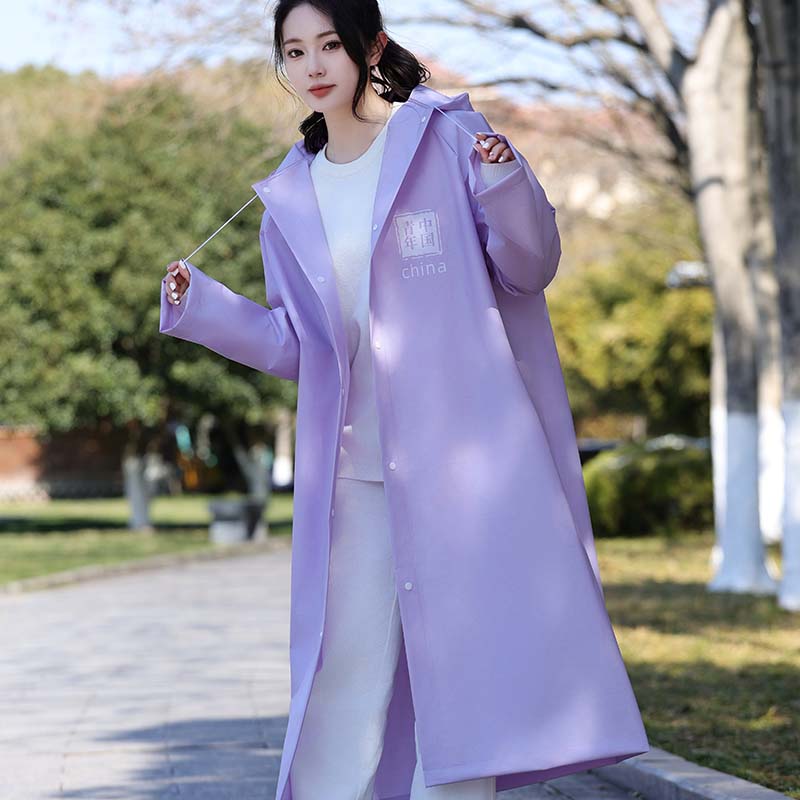
1. PVC (Polyvinyl Chloride) Raincoats
PVC is a widely used material in raincoats, especially for disposable or emergency rainwear. It's well-known for its waterproof capabilities and affordability, making it a popular choice for Plastic Raincoats.
- Why Choose PVC Raincoats?
- Waterproofing: PVC is completely waterproof, making it a reliable option for rainy conditions. It's a practical choice for temporary rain protection.
- Comfort: Although PVC provides excellent waterproofing, it lacks breathability. Extended wear in warm weather can lead to discomfort.
- Durability: PVC is highly durable, but it may crack or become rigid in cold weather.
- Environmental Impact: PVC has a lower environmental profile than some alternatives, but it still presents challenges in recycling and disposal.
|
Feature |
PVC Raincoat |
|
Waterproofing |
Very good |
|
Breathability |
Limited |
|
Durability |
High |
|
Comfort |
Moderate |
|
Environmental Impact |
Low to Moderate |
|
Cost |
Affordable |
2. EVA (Ethylene Vinyl Acetate) Rain Ponchos
EVA is a softer, more flexible material compared to other Plastic Raincoats, making it an ideal choice for casual rainwear like EVA Rain Ponchos. At Zhejiang Yinhong New Material Technology Co., Ltd., EVA is one of our main materials for producing EVA Rain Ponchos, which are comfortable and versatile for various weather conditions.
- Why Choose EVA Rain Ponchos?
- Waterproofing: EVA Rain Ponchos offer sufficient waterproofing for light to moderate rain. It's a good option for everyday use in mild weather conditions.
- Comfort: One of the key advantages of EVA Rain Ponchos is their flexibility and comfort, especially in comparison to PVC.
- Durability: While EVA Rain Ponchos are comfortable, they are not as durable as PVC. They can be damaged more easily in rough conditions. For light outdoor activities or temporary rain protection, EVA Rain Ponchos are ideal, but they may not withstand extreme conditions for extended periods.
- Environmental Impact: EVA Rain Ponchos are considered an eco-friendly alternative to PVC, as they are free from chlorine and harmful chemicals.
|
Feature |
EVA Rain Poncho |
|
Waterproofing |
Good for light rain |
|
Breathability |
Low |
|
Durability |
Moderate |
|
Comfort |
High |
|
Environmental Impact |
High |
|
Cost |
Affordable |
3. PEVA (Polyethylene Vinyl Acetate) Rain Ponchos
PEVA, similar to EVA, is a versatile, eco-friendly alternative to PVC. PEVA Rain Ponchos, in particular, offer a great balance of comfort and environmental sustainability. Many of our PEVA Rain Ponchos at Zhejiang Yinhong New Material Technology Co., Ltd. are designed to provide comfortable and reliable protection on rainy days, making them an ideal choice for consumers seeking an eco-conscious solution.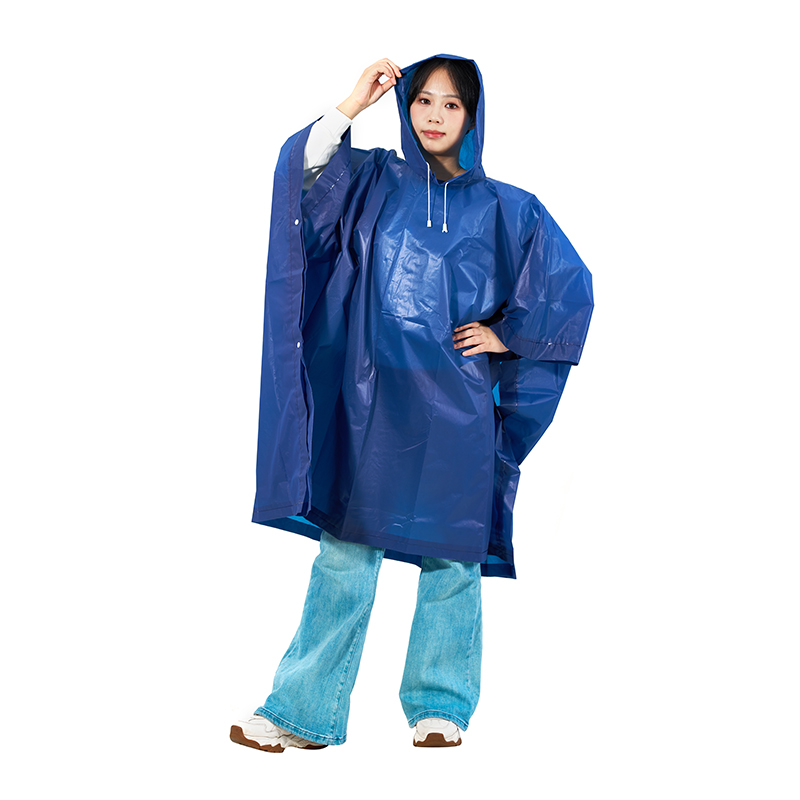
- Why Choose PEVA Rain Ponchos?
- Waterproofing: PEVA Rain Ponchos are well-suited for light rain, offering similar waterproofing performance to EVA Rain Ponchos. Their reliable water resistance makes them a solid choice for day-to-day wear when the weather is mild.
- Comfort: Soft and flexible, PEVA rain ponchos are comfortable for casual wear and emergency protection.
- Durability: PEVA Rain Ponchos are more durable than EVA Rain Ponchos, though they still do not match the toughness of PVC. While PEVA Rain Ponchos are ideal for everyday use and moderate rain, they may not withstand harsh, prolonged conditions as well as PVC options.
- Environmental Impact: Free of chlorine, PEVA Rain Ponchos are an environmentally-conscious option, offering a better alternative to traditional PVC materials.
|
Feature |
PEVA Rain Poncho |
|
Waterproofing |
Good |
|
Breathability |
Moderate |
|
Durability |
Moderate |
|
Comfort |
Comfortable |
|
Environmental Impact |
High |
|
Cost |
Moderate |
4. Nylon Raincoats
Nylon is another popular synthetic material used for raincoats. While it doesn't provide natural waterproofing, it is often treated with coatings such as PU or PVC to improve its resistance to water.
- Why Choose Nylon Raincoats?
- Waterproofing: Nylon raincoats can be made waterproof with coatings like PU or PVC, offering protection from rain.
- Comfort: Nylon is lightweight and comfortable, ideal for daily wear or outdoor activities.
- Durability: Nylon is strong and durable, making it a reliable option for both casual and outdoor rainwear.
- Environmental Impact: Nylon is a synthetic material, so it may have a higher environmental impact, especially if not recycled.
|
Feature |
Nylon Raincoat |
|
Waterproofing |
Good (with coating) |
|
Breathability |
High |
|
Durability |
High |
|
Comfort |
Comfortable |
|
Environmental Impact |
Moderate |
|
Cost |
Moderate |
5. Polyester Raincoats
Polyester is another widely used fabric in raincoat manufacturing. Like nylon, polyester raincoats are typically treated with waterproof coatings to enhance their effectiveness.
- Why Choose Polyester Raincoats?
- Waterproofing: Polyester raincoats are typically coated with PU or PVC for better waterproof protection.
- Comfort: Polyester is breathable and comfortable for everyday wear.
- Durability: Polyester is highly durable and resistant to shrinkage, making it a long-lasting option.
- Environmental Impact: While polyester is recyclable, it is a synthetic material and may have a higher environmental impact than natural fibers.
|
Feature |
Polyester Raincoat |
|
Waterproofing |
Good (with coating) |
|
Breathability |
High |
|
Durability |
High |
|
Comfort |
Comfortable |
|
Environmental Impact |
Moderate |
|
Cost |
Moderate |
6. Oxford Cloth Raincoats
Oxford Cloth is a durable and tough material, often used for raincoats that need to withstand harsh conditions. This fabric is typically coated with waterproof materials like PU or PVC to improve its rain resistance.
- Why Choose Oxford Cloth Raincoats?
- Waterproofing: While Oxford Cloth is not naturally waterproof, it performs well when coated with PU or PVC coatings.
- Comfort: Oxford Cloth is heavier and thicker than nylon or polyester, but still provides good comfort for short-term wear.
- Durability: Oxford Cloth is highly durable, and its resistance to wear and tear makes it an ideal option for tough outdoor environments.
- Environmental Impact: The environmental impact is similar to that of nylon, with limited biodegradability but good recyclability.
|
Feature |
Oxford Cloth Raincoat |
|
Waterproofing |
Good (with coating) |
|
Breathability |
Moderate |
|
Durability |
Very High |
|
Comfort |
Moderate |
|
Environmental Impact |
Moderate |
|
Cost |
Moderate to High |
7. Polyurethane (PU) Coated Raincoats
Polyurethane (PU) is a popular coating used on fabrics like nylon and polyester to enhance their waterproofing abilities. PU coatings are lighter and more flexible than traditional PVC coatings.
- Why Choose PU Coated Raincoats?
- Waterproofing: PU offers excellent water resistance and performs well in light to moderate rain.
- Comfort: PU is more breathable than PVC, making it a comfortable choice for long-term wear.
- Durability: While PU coatings are durable, they can wear out over time with frequent folding or exposure to harsh conditions.
- Environmental Impact: PU is more environmentally friendly than PVC because it does not contain harmful chlorine or plasticizers.
|
Feature |
PU Coated Raincoat |
|
Waterproofing |
Good to Excellent |
|
Breathability |
High |
|
Durability |
Moderate to High |
|
Comfort |
High |
|
Environmental Impact |
Moderate |
|
Cost |
Moderate |
8. Gore-Tex Raincoats
Gore-Tex is a high-performance material that's known for its excellent combination of waterproofing and breathability. Made with a membrane of ePTFE (expanded polytetrafluoroethylene), Gore-Tex is often used in premium outdoor gear.
- Why Choose Gore-Tex Raincoats?
- Waterproofing: Gore-Tex provides outstanding waterproofing and can withstand heavy rain and even snow.
- Comfort: With Gore-Tex, you stay dry without feeling clammy, as it allows moisture from sweat to escape while blocking rain from getting in.
- Durability: Gore-Tex raincoats are highly durable and designed to withstand heavy use over an extended period.
- Environmental Impact: While Gore-Tex is highly durable, it's made from synthetic materials, so its environmental impact can be higher compared to more sustainable options.
|
Feature |
Gore-Tex Raincoat |
|
Waterproofing |
Excellent |
|
Breathability |
Excellent |
|
Durability |
Very High |
|
Comfort |
High |
|
Environmental Impact |
Moderate to High |
|
Cost |
High |
Choosing the right raincoat material depends on your specific needs and the weather conditions you'll face. Whether you're looking for something lightweight for everyday use or a high-performance coat for tougher weather conditions, there are plenty of options available.
Materials like PVC, EVA, and PEVA are great choices for affordability and light protection. Plastic Raincoats, in particular, made from EVA Rain Ponchos and PEVA Rain Ponchos are great options due to their environmental sustainability. If comfort, breathability, and durability are your priorities, nylon and polyester-coated raincoats offer a good balance of protection and wearability. Zhejiang Yinhong New Material Technology Co., Ltd. specializes in using materials like EVA and PEVA in our raincoat production, ensuring we offer high-quality yet affordable rain protection options.
