
 English
 Español
 Deutsch
When Rain Gear Choices Become Practical Decisions
People rarely think much about rainwear until they actually need it.
A sudden storm during the morning commute, an unexpected downpour at a music festival, or a long ride home on an electric scooter can quickly turn ordinary weather into a frustrating experience. In these moments, buyers usually compare two common options: disposable rainwear and the thick rain poncho.
At first glance, both products solve the same problem. In actual use, though, they fit very different situations.
For manufacturers and wholesale buyers, understanding how consumers use a thick rain poncho in daily life is becoming increasingly important, especially as urban commuting and outdoor travel continue growing in many regions.
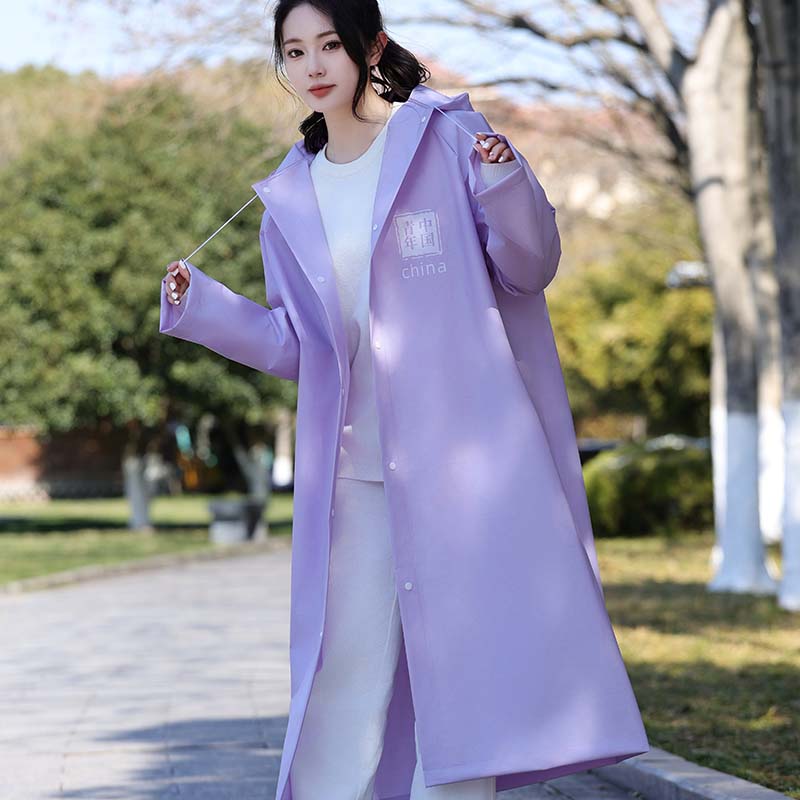
Different Rain Conditions Require Different Solutions
One reason the thick rain poncho continues to maintain strong demand is simple: not all rain exposure lasts five minutes.
In many cities across Southeast Asia, South America, and parts of Europe, commuters spend long periods outdoors on bicycles, scooters, or motorcycles. A lightweight emergency poncho may help briefly, but extended exposure to wind and continuous rainfall creates different expectations.
A thick rain poncho is usually chosen for situations where users need more stable coverage throughout the day rather than temporary protection.
Typical usage scenarios include:
- Daily electric scooter commuting during seasonal rain periods
- Food delivery and courier transportation work
- School pickup routes involving children or backpacks
- Repeated outdoor movement between buildings or stations
- Long-distance cycling in unstable weather conditions
In these situations, buyers often prioritize coverage, comfort, and repeated usability over extreme portability.
Why Some Consumers Still Prefer Disposable Rainwear
That does not mean disposable products are disappearing. In fact, disposable rainwear continues to perform well in short-duration or low-frequency use scenarios.
Travelers visiting theme parks, tourists attending outdoor events, or families preparing for occasional emergencies often prefer compact rainwear that can stay inside a bag without taking up much space.
Compared with disposable products, a thick rain poncho is less focused on convenient storage and more associated with routine outdoor exposure.
This difference matters.
Someone who encounters rain twice a year shops differently from someone exposed to wet weather every week. That purchasing behavior explains why many retailers now carry both disposable products and thick rain poncho options simultaneously rather than treating them as competing categories.
Real Daily Use Often Matters More Than Specifications
Product descriptions usually focus on dimensions or packaging, but experienced buyers often pay more attention to how the rainwear behaves after repeated use.
For example, a commuter using a thick rain poncho every morning may care more about whether the poncho sticks to clothing during wind gusts than about technical measurements.
Similarly, delivery riders often notice details such as:
- Whether the thick rain poncho maintains its shape during movement
- How easily it folds after the rain stops
- Whether backpack coverage remains stable while riding
- If the hood stays positioned during windy conditions
- How comfortable does the poncho feel after extended wear
These are not laboratory concerns. They come directly from repeated daily use.
Because of this, many suppliers have gradually shifted product development toward practical wear experience rather than purely visual design updates.
Comparing Long-Term and Short-Term Use
The choice between disposable rainwear and a thick rain poncho often depends less on price alone and more on usage frequency.
|
Usage Factor |
Thick rain poncho |
Disposable rainwear |
|
Daily commuting |
More suitable for repeated use |
Better for temporary situations |
|
Storage size |
Larger |
Compact and lightweight |
|
Long outdoor exposure |
Stable coverage |
Limited comfort over time |
|
Travel convenience |
Moderate |
Easy to carry in bags |
|
Replacement frequency |
Lower |
Higher |
Interestingly, many consumers eventually use both categories for different purposes. Some keep disposable rainwear for emergencies while relying on a thick rain poncho during regular rainy seasons.
Why Urban Riders Continue Choosing Thick Rain Ponchos
In scooter-heavy cities, the thick rain poncho remains especially common because it covers both the rider and part of the vehicle area simultaneously.
This wider coverage changes the experience significantly during heavy rain. Riders carrying groceries, backpacks, or work materials often prefer a thick rain poncho because it reduces direct water exposure without requiring multiple separate rain accessories.
Another reason is predictability.
Disposable products are usually purchased "just in case". A thick rain poncho, however, is often integrated into everyday transportation routines. Some commuters keep one permanently stored inside a scooter compartment throughout the rainy season.
That kind of habitual use creates different consumer expectations compared with occasional-use products.
Buying Trends Are Becoming More Scenario-Based
Over the past few years, wholesale buyers have increasingly categorized rainwear by usage environment instead of only by price level.
Searches related to commuter rain ponchos, reusable rain ponchos for scooters, and thick rain poncho products for delivery riders continue to reflect this shift.
Consumers are no longer asking only whether rainwear is waterproof. They are asking where, how often, and under what conditions it will actually be used.
That change has pushed suppliers to pay closer attention to mobility, storage habits, commuting patterns, and seasonal weather behavior.
The growing demand for the thick rain poncho is closely connected to changing urban lifestyles and longer outdoor commuting routines.
While disposable rainwear remains useful for occasional or emergency situations, the thick rain poncho continues to serve users who need stable, repeatable protection during regular exposure to rain.
For many consumers, the decision is no longer about choosing the cheapest or the lightest option. It is about choosing rainwear that matches how they actually move through daily life.
