
 English
 Español
 Deutsch
With the continuous evolution of functional apparel, rainwear manufacturing has gradually shifted from traditional craftsmanship to a highly standardized and technology-driven industrial process. As a professional manufacturer, Zhejiang Yinhong New Material Technology Co., Ltd. has long been committed to refining every stage of production to make sure that each product not only meets waterproof requirements but also aligns with market expectations for comfort, durability, and sustainability. From material selection to final inspection, the production of an eco-friendly raincoat, pullover raincoat, or disposable plastic poncho involves a series of precise and interrelated processes.
1.Material Selection and Innovation
The foundation of any high-quality rainwear product lies in material selection. At our factory, we carefully choose between waterproof fabrics and coated fabrics depending on product positioning. For example, an eco-friendly raincoat requires biodegradable or recyclable materials, which not only provide excellent waterproof performance but also reduce environmental impact. In contrast, a disposable plastic poncho typically uses lightweight PE or EVA materials to achieve cost efficiency and portability.
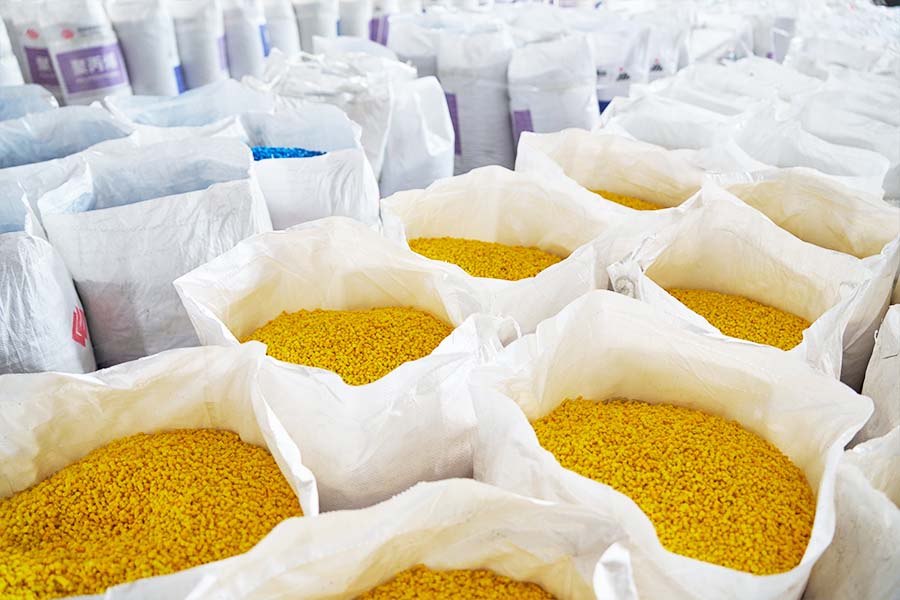
For more durable products like a pullover raincoat, we prioritize coated polyester or nylon fabrics that balance waterproof capability with breathability. The challenge is how to make sure that each eco-friendly raincoat maintains the same level of water resistance as conventional products while adhering to sustainability standards. Similarly, even a disposable plastic poncho should meet minimum durability benchmarks to prevent tearing during use.
Material innovation is an ongoing effort. Our R&D team continuously tests new formulations to enhance the flexibility and strength of every pullover raincoat while allowing that each eco-friendly raincoat remains compliant with global environmental regulations. Meanwhile, improvements in material thickness and elasticity also help upgrade the user experience of a disposable plastic poncho, making it more reliable in sudden weather conditions.
2.Precision Cutting and Fabric Preparation
Once materials are selected, the next step is precision cutting. This stage directly affects the fit and overall quality of the final product. By using automated cutting machines, each panel of an eco-friendly raincoat is accurately shaped to reduce waste and increase efficiency. For a pullover raincoat, ergonomic design is especially important, as it allows easy wear while maintaining coverage.
In the case of a disposable plastic poncho, cutting focuses on speed and consistency, as these products are often produced in large volumes. However, even at high production speeds, we maintain strict quality control so that every eco-friendly raincoat and pullover raincoat meets dimensional standards.
Fabric preparation also includes pre-treatment processes such as cleaning and flattening, which help improve the adhesion of coatings and prints. This step provides that every disposable plastic poncho and eco-friendly raincoat achieves a smooth surface for subsequent processing stages.
3.High-Frequency Heat Sealing and Waterproof Construction
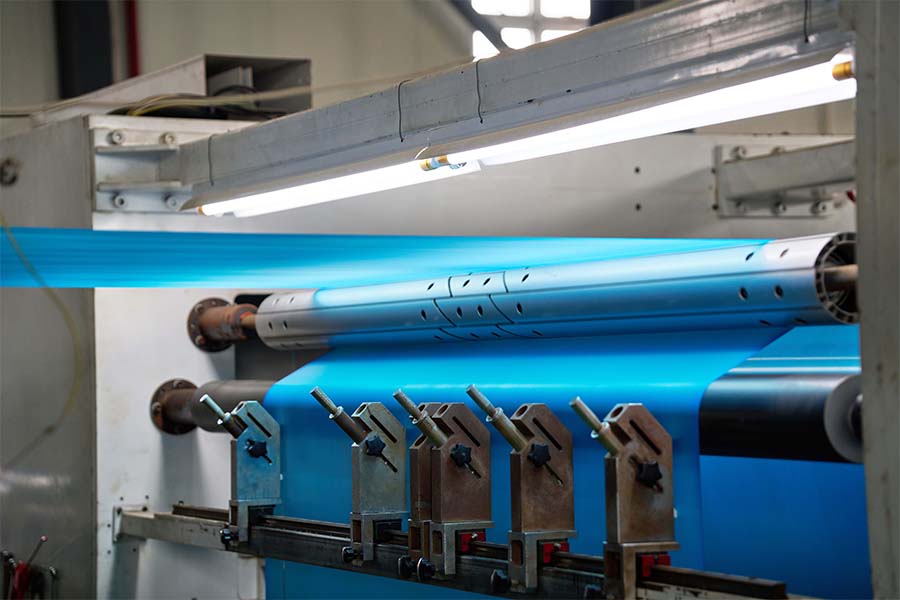
The core of rainwear manufacturing lies in waterproof construction. At Zhejiang Yinhong, we utilize advanced high-frequency heat sealing technology to bond fabric seams without needle holes, which are a common source of leakage. This technique is essential for producing a reliable eco-friendly raincoat, as it provides complete waterproof integrity while maintaining environmental standards.
For a pullover raincoat, heat sealing is combined with selective sewing techniques to reinforce stress points such as shoulders and sleeves. This hybrid approach certifies both flexibility and durability. Meanwhile, a disposable plastic poncho relies heavily on heat sealing due to its thin material, making precise temperature control critical to prevent damage.
Every eco-friendly raincoat undergoes strict seam testing to confirm that it can withstand heavy rain without leakage. Similarly, each pullover raincoat is evaluated for seam strength and elasticity. Even though a disposable plastic poncho is designed for short-term use, it also still passes basic waterproof tests of its functionality.
4.Accessory Integration and Functional Design
After the main body construction, we move to accessory sewing and integration. Components such as cap ropes, zippers, Velcro closures, and pockets are added to enhance usability. A well-designed pullover raincoat often features adjustable hoods and secure closures to provide better protection against wind and rain.
For an eco-friendly raincoat, accessory materials are carefully selected to match the sustainability goals of the product. For instance, we may use recyclable zippers or biodegradable drawstrings. Even a disposable plastic poncho can include simple yet effective features like snap buttons or elastic hoods to improve user convenience.
Attention to detail is crucial in this stage. The accessories of each pullover raincoat are firmly attached and do not compromise waterproof performance. Similarly, every eco-friendly raincoat is inspected to confirm that added components align with environmental standards. Despite its simplicity, a disposable plastic poncho still benefits from thoughtful design, so that ease of use in emergency situations.
5.Printing, Hot Stamping, and Branding
Modern consumers increasingly value aesthetics alongside functionality. Therefore, printing and hot stamping have become essential steps in rainwear production. At our facility, we use advanced printing techniques to apply logos, patterns, and branding elements to each eco-friendly raincoat without affecting its waterproof properties.
A pullover raincoat often features more complex designs, requiring precise alignment and color consistency. Meanwhile, a disposable plastic poncho typically uses simpler printing methods to maintain cost efficiency while still offering customization options for promotional purposes.
Hot stamping adds another layer of durability to printed designs. Each eco-friendly raincoat undergoes temperature-controlled stamping to ensure long-lasting visuals. Similarly, a pullover raincoat benefits from enhanced resistance to fading and wear. Even a disposable plastic poncho can incorporate basic branding elements through efficient stamping techniques.
6.Comprehensive Inspection and Quality Assurance
Quality control is integrated throughout the entire production process. Before packaging, every product undergoes a comprehensive inspection, including waterproof testing, seam strength evaluation, and visual checks. An eco-friendly raincoat needs to pass additional environmental compliance tests to make sure it meets regulatory requirements.
For a pullover raincoat, we conduct fit and durability assessments to guarantee user comfort and long-term performance. A disposable plastic poncho, despite its lower cost, is still subject to strict inspection to ensure it meets basic usability standards.
Our inspection process also includes random sampling and batch testing. Each eco-friendly raincoat is evaluated for consistency across production runs. Similarly, every pullover raincoat is checked for uniformity in size and construction. Even high-volume products like a disposable plastic poncho are monitored to maintain stable quality.
7.Packaging and Global Distribution
The final stage is packaging and factory delivery. Packaging design varies depending on product type and market requirements. An eco-friendly raincoat often uses recyclable packaging materials to reinforce its sustainability message. A pullover raincoat may feature more robust packaging to protect its structure during transportation.
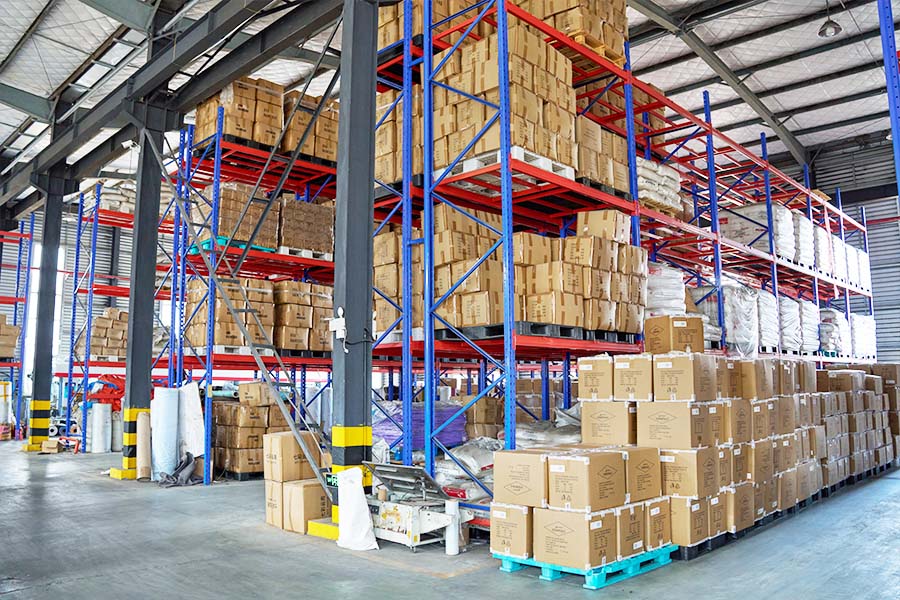
For a disposable plastic poncho, compact and lightweight packaging is essential for bulk distribution. Each eco-friendly raincoat is carefully folded and packed to prevent damage. Similarly, a pullover raincoat is packaged to maintain its shape and presentation. A disposable plastic poncho is typically packed in large quantities for efficient logistics.
Our factory knows the importance of every shipment meeting international standards. Each eco-friendly raincoat, pullover raincoat, and disposable plastic poncho is labeled and documented according to customer requirements, providing smooth delivery across global markets.
The above is the production process of raincoat products, covering key steps from raw materials to finished goods. At Zhejiang Yinhong New Material Technology Co., Ltd., we continue to refine our processes to meet different market demands and application scenarios.
