
 English
 Español
 Deutsch
Rainwear purchasing has become more project-focused as brands, distributors, and promotional companies look for suppliers that can support different market requirements. Before placing bulk orders, buyers often review materials, production methods, packaging options, and factory communication.
A raincoat order may involve more details than expected. Color selection, logo placement, size range, fabric choice, and packaging design can all influence the final production plan.
For companies sourcing Custom Raincoats, the supplier selection process usually starts with understanding the target market. A retailer preparing seasonal products may have different requirements from a company ordering rainwear for outdoor activities or promotional campaigns.
Material Choices Affect Factory Planning
The material used in rainwear production directly influences manufacturing arrangements. Different buyers may request lightweight options, stronger fabrics, reusable designs, or specific surface finishes depending on their application.
Factories need to consider material availability, cutting methods, sewing requirements, and waterproof treatment during production preparation. These details can affect both sampling time and mass production schedules.
For manufacturers handling Custom Raincoats, communication before production becomes an important step. A confirmed fabric specification or approved sample can reduce changes after manufacturing begins.
Many buyers also compare suppliers of waterproof rainwear based on their ability to handle different materials and customization requests rather than offering only fixed designs.
Brand Projects Bring New Production Requirements
Private label orders have changed the way many raincoat factories organize production. Companies may request their own labels, colors, printing methods, or packaging styles to match their sales plans.
A promotional campaign, for example, may require hundreds or thousands of pieces with a specific logo position and delivery date. A retail brand may focus more on product appearance, size selection, and packaging presentation.
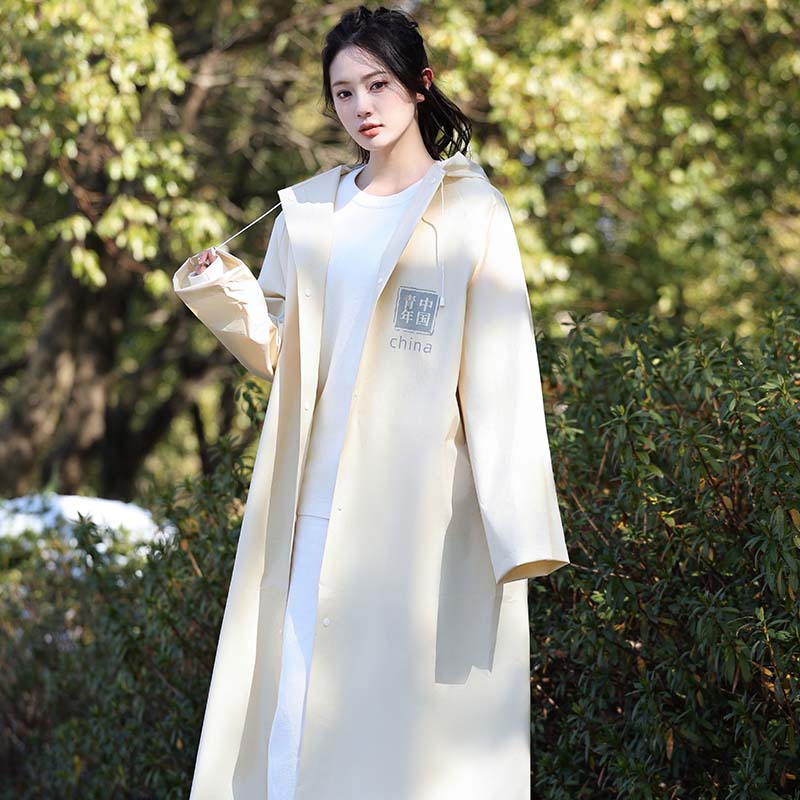
These different requirements create additional coordination between design teams and production departments. Factories need to confirm artwork files, sample details, and production instructions before moving into large-scale manufacturing.
The market for rain jackets with logo and customized outdoor clothing continues to bring new opportunities for suppliers that can manage detailed orders.
Production Flexibility Becomes A Supplier Advantage
Raincoat buyers often work with changing market conditions. Weather seasons, promotional schedules, and regional preferences can influence order timing and product requirements.
A factory’s ability to adjust production plans has become an important consideration. Some customers may need different sizes within one order, while others may request special colors or modified designs.
For suppliers producing Custom Raincoats, flexible manufacturing arrangements help them support different customer groups, including wholesalers, distributors, and private brands.
Quality inspection is also becoming part of regular order discussions. Checking stitching, waterproof performance, appearance, and packaging before shipment helps suppliers maintain stable cooperation with overseas customers.
Export Orders Encourage Better Factory Communication
International rainwear projects usually involve longer preparation compared with standard purchases. Buyers may need samples, technical confirmation, and production updates before final shipment.
Factories are improving communication processes to handle these requirements more efficiently. Clear information between buyers and production teams can reduce misunderstandings during different stages of an order.
Companies specializing in Custom Raincoats are developing stronger production systems to support global customers with different expectations.
As rainwear markets continue to expand across outdoor, promotional, and retail applications, suppliers that understand customization, production control, and buyer communication are becoming important partners for international businesses.
